
What Are Rage Clicks?
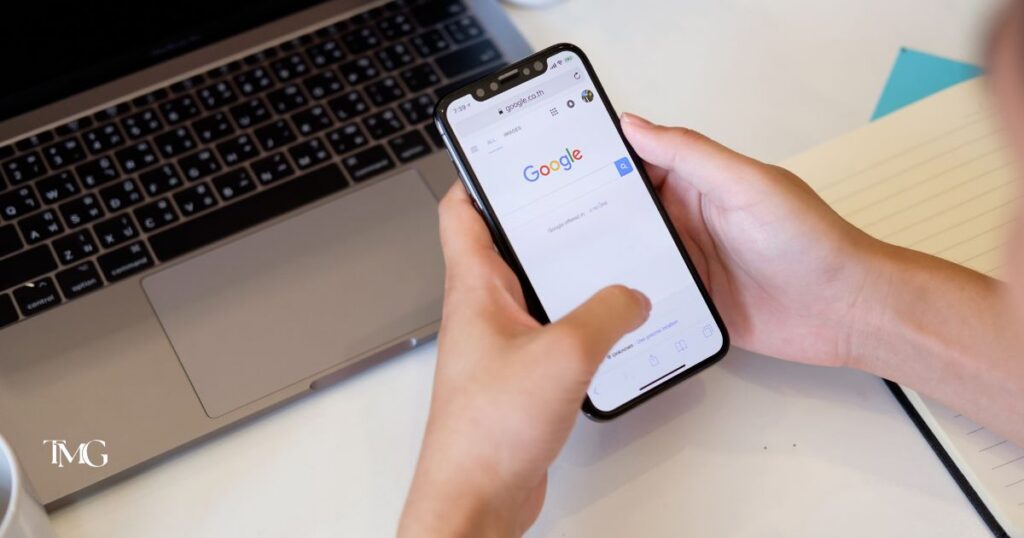
Rage clicks happen when a user repeatedly clicks the same spot on a website out of frustration, often because something isn’t working the way they expect. This could be a button that looks clickable but isn’t, a slow-loading page, or a form that doesn’t submit properly.
For business owners, rage clicks are more than just a UX metric. They can offer insight into where website usability issues may be creating friction, especially in moments where users expect things to work smoothly. Over time, those small points of friction can influence engagement, trust, and whether a visitor chooses to move forward.
Why Rage Clicks Happen on Websites
Rage clicks don’t happen randomly. They are almost always caused by usability breakdowns that interrupt the user’s expectations.
The most common causes include:
- Buttons or images that look clickable but aren’t
- Forms that don’t submit or give no confirmation
- Slow-loading pages or delayed responses
- Mobile elements that are too small or misaligned
- Broken links or hidden navigation issues
Each of these issues creates confusion. And when confusion happens at a decision point, users disengage, often permanently.
How Website Usability Issues Impact Conversions
Website usability issues don’t just affect how a site feels; they affect how it performs. When users hit a friction point, they hesitate. When those moments of hesitation add up, conversions start to slip.
Rage clicks tend to show up on high-intent pages, the places where users are ready to take action, like contact forms, service pages, and pricing or booking pages. That’s where the cost is highest. These users are already interested. So when the experience breaks down at this stage, it’s not a traffic problem; it’s a usability problem. By identifying and resolving rage clicks, businesses can reduce drop-off on key pages, increase form completions and bookings, and improve overall engagement and trust.
How to Identify Rage Clicks Before They Cost You Leads
Traditional analytics tools often miss rage clicks because they focus on traffic and outcomes—not behavior. Rage clicks require user interaction insights, such as session recordings or heatmaps, to surface what users are experiencing in the moment.
Proactively identifying rage clicks allows teams to:
- Catch usability issues early
- Fix friction before it impacts conversions
- Make decisions based on real user behavior, not assumptions
This user-first approach shifts websites from reactive troubleshooting to intentional optimization.
Rage clicks can be a helpful signal that parts of your website may not be working quite the way users expect. When they show up repeatedly, especially around key actions like forms or booking steps, they often point to small moments of friction that can quietly affect trust and conversions over time.
If your site is getting traffic but not delivering results, website usability issues may be the real problem. We can help you identify and resolve frustration points that can turn missed opportunities into meaningful engagement and help your website do what it was built to do.